White Smoke - Habemus Papam (We have a New Pope) vs. Black Smoke (No Decision Yet)
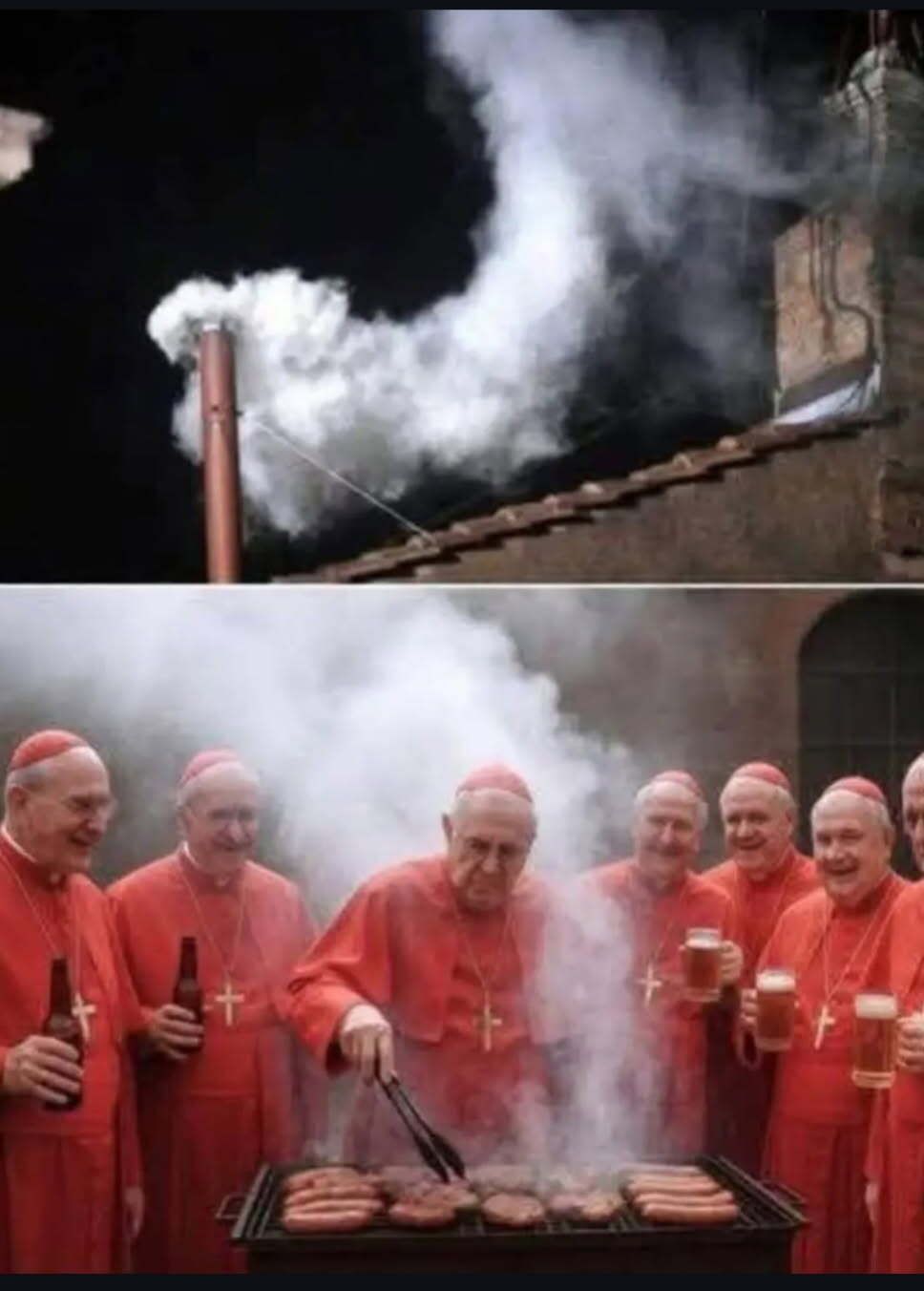
The Catholic Church recently made history by selecting its first American pope, 69-year-old Cardinal Robert Francis Prevost, now Pope Leo XIV. Originally from Chicago, Pope Leo brings experience to the role shaped by years as a missionary in South America as well as leadership inside the Vatican. The selection being signaled by a plume of white smoke emenating from the Sistine Chapel as the selection committee (the Conclave) make their selection by majority decision. I’ve always found the tradition fascinating, with crowds gathering in St. Peter’s Square to watch for that telltale puff of smoke. The chemist in me has always been curious about the smoke..that iconic white trail rising from the Sistine Chapel chimney has signaled a papal decision since 1878. How do they make the smoke white vs. black? I'm no historian, but I've also always been curious about how centuries-old traditions like this one actually work.
After doing a little research, I came across some interesting facts about how the process actually works. The conclave (the gathering of these Catholic cardinals to elect a new pope) is made up of up to 120 cardinal electors under the age of 80. They vote up to four times a day with two in the morning and two in the afternoon. No campaigning or lobbying is allowed, and there are no formal nominations. Cardinals do not speak to one another about the votes. A two-thirds majority is required to elect a pope. The ballots are counted by three cardinals known as the Scrutineers, who are randomly selected before voting begins. Alongside them are three Infirmarii (who collect votes from sick cardinals) and three Revisers (who double-check the counts). These roles rotate to ensure fairness and secrecy. No one is isolated for counting while the Scrutineers perform this duty in front of the other electors, in silence and reverence. A special stove is installed temporarily inside the Sistine Chapel for this purpose. The chimney is mounted through the roof and made visible to the crowds in St. Peter’s Square.
Since all votes are burned after the votes, then what exactly is the chemistry for generating the different colors of smoke.
This then comes down to the additives ensuring that the smoke generated is unmistakable in color:
•Black smoke: potassium perchlorate, anthracene, sulfur
•White smoke: potassium chlorate, lactose, rosin
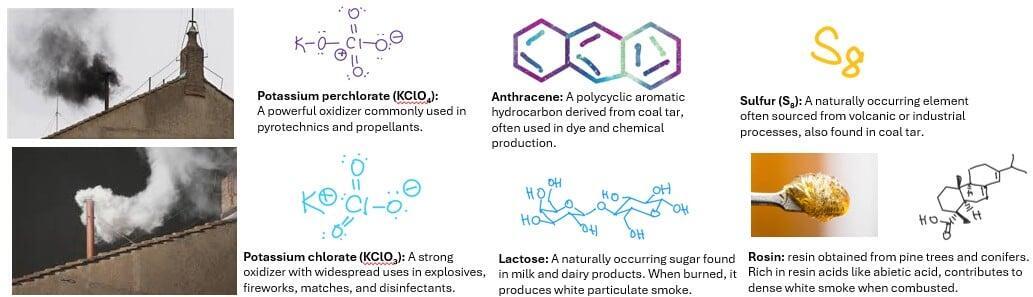
Black Smoke: The combination of anthracene and sulfur leads to incomplete combustion, producing large carbon-rich particles that appear black. Sulfur facilitates the combustion process by lowering the ignition temperature, ensuring a dense, dark smoke.
White Smoke: The mixture of potassium chlorate, lactose, and rosin combusts to produce fine particles and water vapor. The rosin, rich in oxygen-containing compounds, contributes to the formation of a dense white smoke composed of tiny droplets and particles that scatter light, giving it a white appearance.
- The longest conclave in history lasted nearly 3 years (1268–1271) and resulted in the election of Pope Gregory X..today, could you imagine a Pope Not being elected for such a long time? The shortest conclave was in 2005, electing Pope Benedict XVI in just about 26 hours. The longest-serving pope was Pope Pius IX, who reigned from 1846 to 1878 (32 years); the shortest-serving pope was Pope Urban VII, who died of malaria in 1590, just 13 days after his election
This year it took the 2025 papal conclave two days to elect Pope Leo XIV, from May 7 to May 8, 2025. I find it super cool how chemistry discovered hundreds of years is still being used to this day for something that seems so simple as making a plume of smoke either dark or light.
Follow my blog and LinkedIn page for more Alkhemic stories where chemistry, history, and art come together.